
By Ines Longo
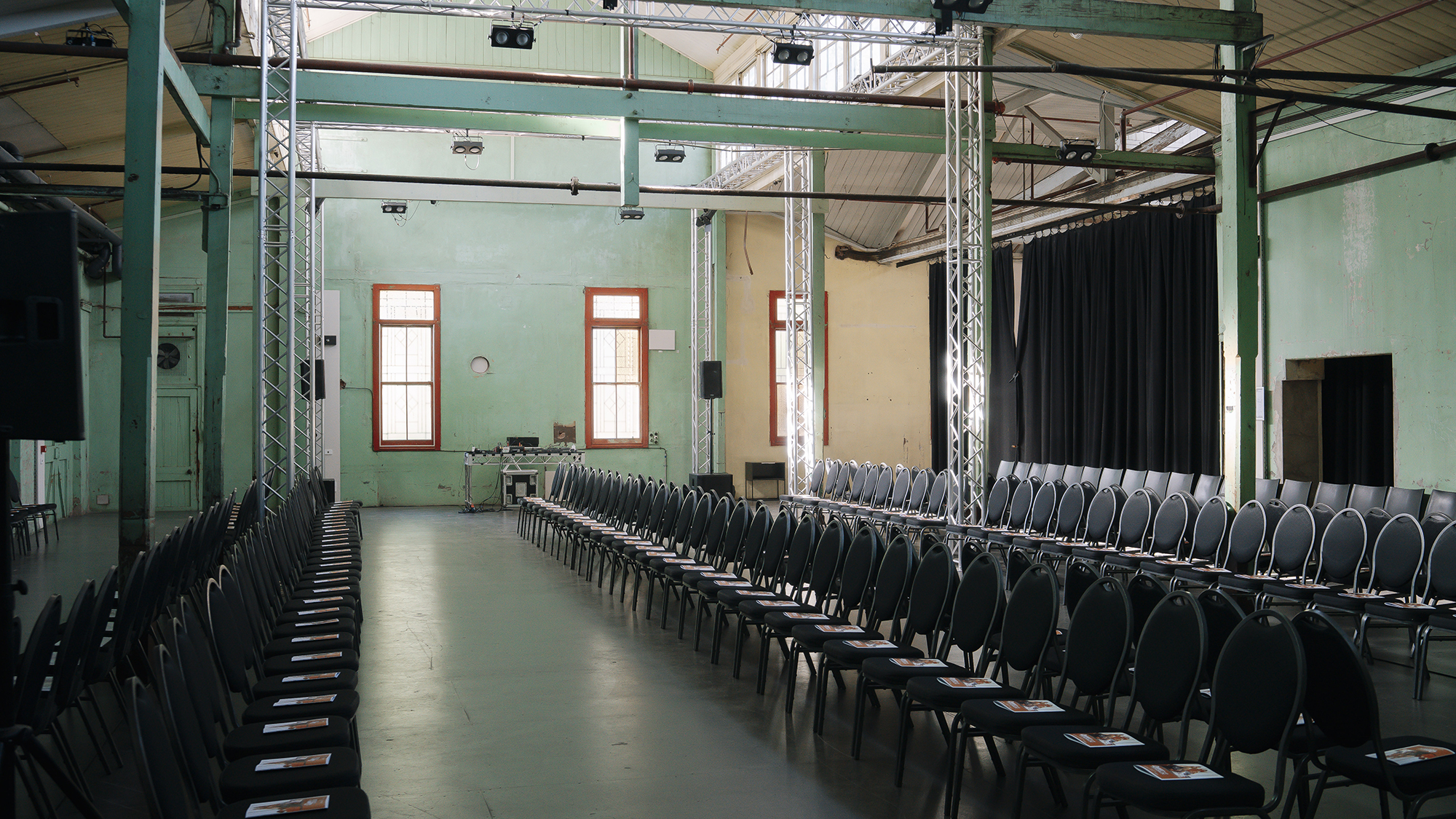
Melbourne is all about the fashion sector. Defined as the ‘fashion capital,’ (Eastern Suburbs Mums, 2023) of Australia, Melbourne’s fashion isn’t an accessory but an infrastructure. It is a functional extension of the streetscape, lived in and worn out through the laneways.
Why is it called the fashion capital? From the renowned Melbourne Fashion Week every year to the iconic, busy Chapel Street and Collins Street luxury stores, accompanied by the largest mall in Australia, Chadstone Shopping Centre, it is better equipped with fashion opportunities and potential than any other state.
MELBOURNE’S $1 BILLION FASHION ECOSYSTEM
According to research from the Australian Fashion Council (AFC) and RMIT, Victoria is Australia’s fashion manufacturing capital with the sector valued at $960 million.This ecosystem is the most robust in the country, employing over 10,300 people, surpassing New South Wales to lead the nation in textile, clothing and footwear production. This combination of high-end retail and a localised $1 billion manufacturing engine demonstrates that Melbourne is the strategic heart of the Australian fashion industry (Willey, 2024).
At these fashion events spots are always open for internships and roles for emerging designers and marketers to get a glimpse of the fashion world, with these opportunities designed for beginners.
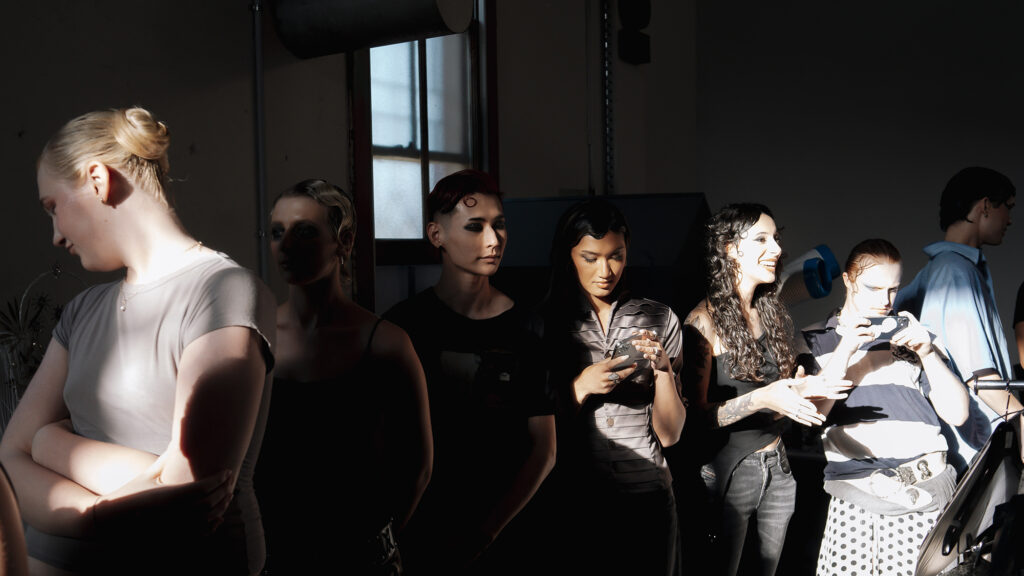
Image: Jessie Hall
For those established in Melbourne, the city’s high concentration of design talent and events makes it easier to navigate the fashion landscape. When it comes to Melbourne fashion, it is anything but simple. It is a blend of international trends, high-end and avant-garde styles, which are influenced by the city’s artistic and inclusive ultural vibe.
THE GLOBAL CONNECTION: IMPACT ON LOCAL EMPLOYMENT
While social media and online shopping have digitally connected Australia to global fashion hubs due to the geographical location of Australia, inverted seasons have created a physical isolation. The entry of international brands such as H&M, Zara, and Uniqlo in the Australian market now provide clients with what Europe offers. These brands didn’t just bring European trends to our doorstep in real-time; but bridged the logistical gap caused by our location. More importantly, by establishing a physical presence here, they created a robust local job market, offering Australians the chance to work within global fashion operations without having to leave the country.
As Australian employment reaches over 14.6 million, the Victorian fashion sector is competing in a high- participation market of 66.7%. This demonstrates the reason why brands on Seek are offering more competitive benefits. With female participation and employment in the fashion industry growing by 2%, the industry remains a critical pillar for the Australian professional female workforce (Department of Employment and Workplace Relations, n.d.). This growth in part-time female employment makes up 3.9% and aligns with flexible retail management roles in Victorian job listings.
Mapping the Market: The Four Career Pathways
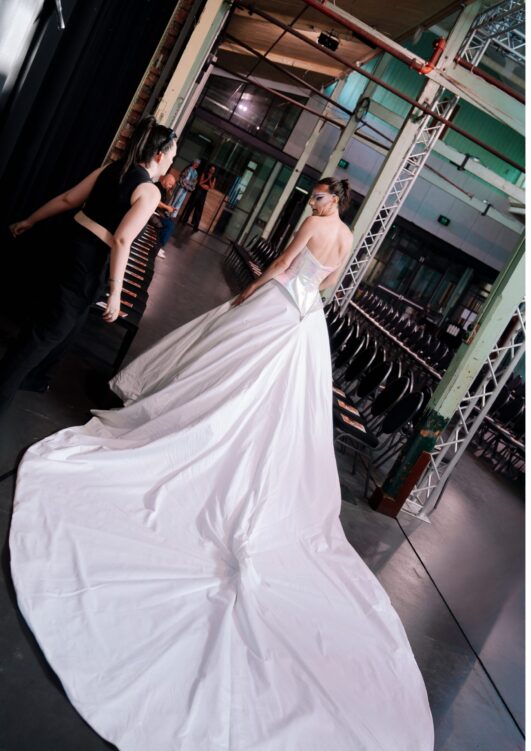
When looking at current recruitment data, the Melbourne market isn’t just a broad list of “fashion jobs” but rather it is segmented into specific career pathways for individuals with various interests and passions. If you were to search Seek today, there are over 900 active listings (SEEK Australia, 2026), but they generally boil down four main ‘lanes’ for those starting out or looking to level up.
The Luxury Lane:
A significant portion of Melbourne’s fashion employment is in the high-end retail hubs such as Chadstone and Collins Street. Roles include ‘Client Advisor’ or ‘Bridal Stylist’ at houses like True Society, Burberry and Dolce & Gabbana which are currently in high demand. These roles are relationship-management positions that offer competitive rates, and you can expect an hourly rate of between $33 and $50 per hour. These jobs usually represent the “front face” of the fashion industry and are the main primary entry points for those wanting to understand luxury brand heritage.
The Strategy and Operation Lane
What distinguishes Melbourne from other Australian states is the high concentration of fashion ”Head Offices” which are located in inner-city pockets such as Hawthorn, South Melbourne and Cremorne. Brands like Henne and Harris Scarfe are constantly recruiting for Operations Coordinators and Buying Assistants. These roles involve work around scaling businesses and decision making for the type of inventory to hit the shelf. Labels such as Country Road and Kat the Label are focusing on people to be Allocators and Design Assistants.
The Design and Production Lane
Beyond the storefronts, Melbourne’s manufacturing engine is visible in the demand for
“Back-End” roles. Brands such as Luvalot Clothing and Jaceo Group frequently list opportunities for Junior Fashion Designers and Production Coordinators. These roles can be found in more creative pockets such as Richmond and Abbotsford, which focuses on the construction of fashion, and includes managing ‘fit sessions’ and tech packs to overseeing the transition from a sketch to the final design sample.
The Digital and E-commerce Lane
There is also a more global shift to online-first retail, a niche for “hybrid” roles in Melbourne. These role listings include E-commerce customer specialists and Digital Marketing Coordinators which are becoming the new standard. Brands like Michael Kors and local jewellery labels are looking for people who can manage both the storefront while also analyzing customer data. This path is perfect for those who can and want to blend style with technical data skills.
THE COMPETITIVE EDGE: SKILLS THAT GET YOU HIRED
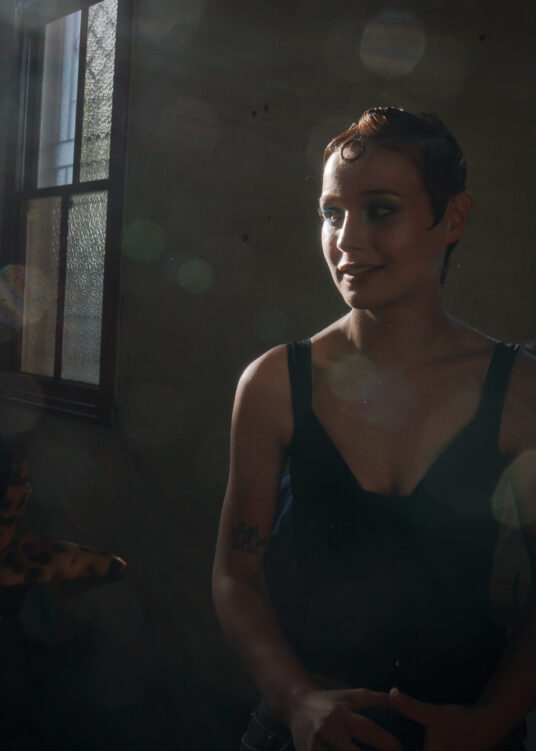
Just like in-demand jobs, there are also a few specific in-demand skills that recruiters are looking for. If you happen to have these, you are a few steps ahead! If not, it is good to keep them in mind so you can be prepared.
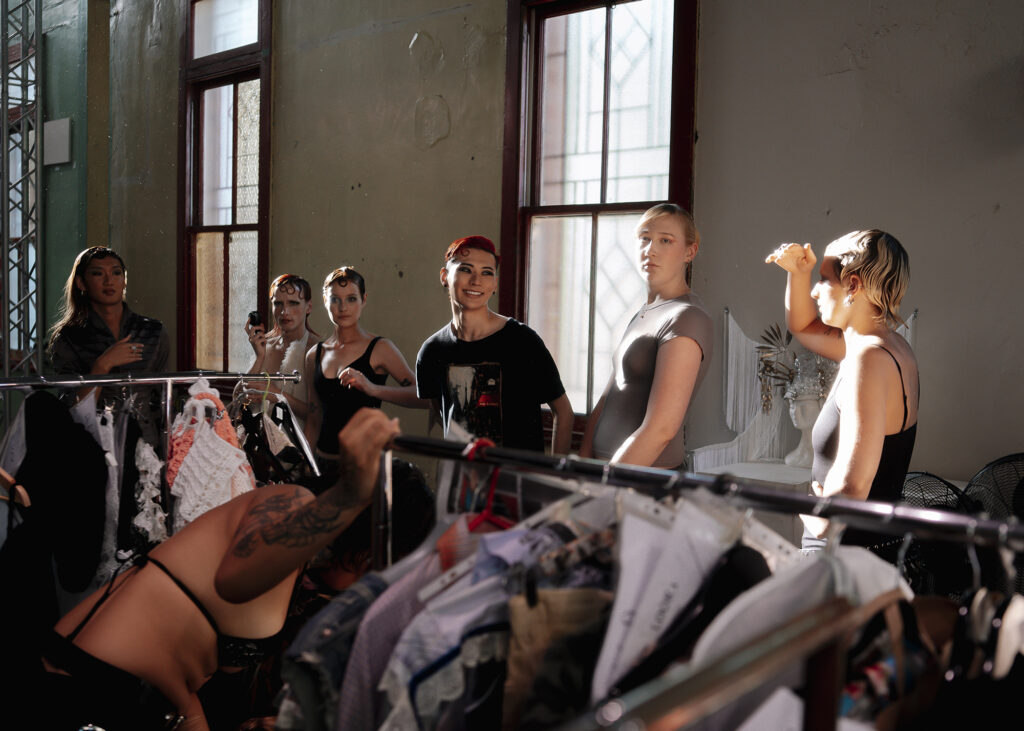
Image: Jessie Hall
Technical Adaptability: One of the biggest skills needed is technical adaptability. As technology evolves in all parts of the industry, there is a growing need for digital-first experts in e-commerce, digital marketing, data analytics, and CRM systems.
Sustainability Awareness: Additionally, sustainability awareness is a highly sought-after skill. Knowledge of ethical materials, sourcing, the circular economy, and the growing issue of greenwashing is a huge factor (Digital Fashion Academy, 2025).
Hybrid Versatility: Being able to adapt to hybrid roles is also very in-demand. Employers are looking for individuals who can operate across areas like digital marketing, merchandising, and communication. For example: a digital merchandiser who not only manages the assortment but also analyzes online customer data and collaborates with marketing on conversion strategies.
Soft Skills: And lastly, the ability to communicate, stay organized, and utilise soft skills. These often make the difference in hiring decisions, sometimes more so than skills that can be easily learnt. Teamwork, empathy, and communication are among the top attributes they seek. Being able to prioritise, manage stress, and manage people is what makes a true professional.
Read more about the Melbourne fashion industry in our Stories.
ALL IMAGES: Jessie Hall
REFERENCE LIST
Department of Employment and Workplace Relations (n.d.). Data Dashboard – Department of Employment and Workplace Relations, Australian Government. [online] Department of Employment and Workplace Relations. Available at: https://www.dewr.gov.au/newsroom/data-dashboard [Accessed 17 Feb. 2026].
Digital Fashion Academy (2025). The Most In-Demand Fashion Industry Skills in 2025. [online] Digital Fashion Academy. Available at: https://www.digitalfashionacademy.com/the-most-in-demand-fashion-industry-skills-in-2025/ [Accessed 10 Feb. 2026].
Easter Suburbs Mums (2023). Why Is Melbourne The Fashion Capital Of Australia? – Eastern Suburbs Mums. [online] Easter Suburbs Mums . Available at: https://easternsuburbsmums.com.au/why-is-melbourne-the-fashion-capital-of-australia/ [Accessed 8 Feb. 2026].
Willey, G. (2024). Victoria revealed as Australia’s $1bn fashion manufacturing capital. [online] Manufacturers’ Monthly. Available at: https://www.manmonthly.com.au/victoria-revealed-as-australias-1bn-fashion-manufacturing-capital/ [Accessed 17 Feb. 2026].
SEEK Australia (2026). Fashion Jobs in All Melbourne VIC – Feb 2026 | SEEK. [online] SEEK Australia. Available at: https://www.seek.com.au/fashion-jobs/in-All-Melbourne-VIC?jobId=90383215&type=standard [Accessed 18 Feb. 2026].